Tesla paint chips faster than most cars on San Diego roads. Here's why, which areas need protection most, and what to expect from PPF installation on your Tesla.
Read MorePPF vs. Ceramic Coating: Which One Does Your Car Actually Need?
PPF vs. Ceramic Coating: Which One Does Your Car Actually Need?
The short answer: paint protection film (PPF) physically protects your paint from rock chips and scratches, while ceramic coating makes it easier to clean and adds gloss and UV resistance — but does not stop chips. They solve different problems, and for many San Diego drivers the ideal setup is PPF on high-impact areas with ceramic coating over everything.
Here's how to figure out what your car actually needs (and what you can skip).
What PPF Does
Paint protection film is a thick, transparent urethane film — think of it as invisible armor. Quality PPF:
Absorbs rock chips and road debris impacts that would chip paint
Self-heals light scratches and swirl marks with heat from the sun
Blocks UV and resists chemical etching from bird droppings and bugs
Lasts 8–10 years when professionally installed
The tradeoff is cost. PPF is the most expensive form of paint protection because the material is thick, expensive, and demanding to install.
Typical San Diego PPF pricing:
Partial front (bumper, partial hood/fenders): $900–$1,500
Full front end: $1,800–$2,800
Full body: $5,500–$8,500+
What Ceramic Coating Does
A ceramic coating is a liquid polymer that chemically bonds to your paint (or to PPF/vinyl), creating a hard, hydrophobic layer. Ceramic coating:
Makes washing dramatically easier — dirt and water sheet off
Adds deep gloss and enhances color
Protects against UV fading and chemical etching
Lasts 2–5+ years depending on the product and prep
What it does not do: stop rock chips or scratches. A coating is measured in microns; a rock at freeway speed doesn't care. Any shop telling you ceramic coating prevents chips is overselling.
Typical ceramic coating pricing: $800–$2,000 depending on paint correction needed and coating tier.
PPF vs. Ceramic Coating: Quick Comparison
PPFCeramic CoatingRock chip protectionYesNoSelf-healingYesNoEase of washingGoodExcellentGloss enhancementNeutral–goodExcellentUV protectionYesYesLifespan8–10 years2–5 yearsCost$$$$$
What We Recommend for San Diego Drivers
Daily freeway commuter (I-5, I-15, 805): Full-front PPF at minimum. San Diego freeways throw plenty of debris, and the front end takes nearly all of it.
New car you plan to keep: Full-front PPF + ceramic coating over the whole car. This is the most popular combination for good reason.
Garaged weekend car: Ceramic coating alone may be enough if it sees limited miles.
Tesla and EV owners: Full-front PPF is highly recommended — soft factory paint on many EVs chips easily, and repainting bumpers is costly.
Maximum protection: Full-body PPF with ceramic on top. The car becomes nearly maintenance-proof.
Can You Combine PPF and Ceramic Coating?
Yes — and it's the best of both worlds. Ceramic coating applied over PPF adds hydrophobics and gloss to the film and makes the whole car wash like glass. Coating can also be applied over color-change vinyl wraps.
Frequently Asked Questions
Which should I get first if I can only afford one?
If you drive freeways regularly: PPF on the front end. If your priority is looks and easy maintenance: ceramic coating.
Does PPF yellow over time?
Older films did. Modern premium PPF carries 10-year warranties against yellowing, cracking, and delamination.
Can you see PPF on the car?
Quality film professionally installed is nearly invisible. Edges are wrapped or aligned to panel lines.
Is dealership ceramic coating worth it?
Dealer-applied "protection packages" are usually low-grade sealants at premium prices. A dedicated shop using professional-grade coatings delivers far better results for similar or less money.
Not sure what your car needs? Haus of Wraps offers free protection consultations in San Diego — we'll look at how you drive and store your car and recommend only what makes sense.
Can You Go Through A Car Wash With Paint Protection Film (PPF)?
Can You Go Through a Car Wash With Paint Protection Film (PPF)?
Yes, you can go through a car wash with Paint Protection Film (PPF), but the type of car wash matters. At Haus of Wraps, we recommend hand washing whenever possible or using a touchless car wash. We do not recommend automatic car washes that use brushes or spinning cloths, as they can reduce the appearance and lifespan of your PPF over time.
One of the most common questions we hear after installing Paint Protection Film is:
"Can I still take my car through a car wash?"
The answer is yes—but how you wash your vehicle will have a significant impact on how long your PPF continues looking showroom new.
Is It Safe to Wash a Car With PPF?
Absolutely.
Premium Paint Protection Film is engineered to withstand everyday driving conditions, including rain, road debris, UV exposure, and regular washing. High-quality films from manufacturers like XPEL are built to protect your vehicle's paint for years.
However, the way you wash your vehicle is just as important as the film itself.
Choosing the right washing method will help preserve the film's clarity, gloss, and self-healing properties while extending its overall lifespan.
Best Ways to Wash a Car With PPF
1. Hand Wash (Best Option)
A proper hand wash is the safest way to clean a vehicle protected with Paint Protection Film.
Using the two-bucket method, quality microfiber wash mitts, and a pH-neutral automotive soap helps prevent unnecessary wear while keeping the film looking its best.
Benefits include:
Minimizes swirl marks
Protects the self-healing top coat
Preserves gloss and clarity
Extends the life of the film
Safely removes dirt and contaminants
For owners who want the absolute best care for their investment, hand washing is always our recommendation.
2. Touchless Car Wash (Best Automatic Option)
If washing by hand isn't practical, a touchless automatic car wash is the next best option.
Touchless systems clean your vehicle using high-pressure water and specialized detergents instead of brushes, eliminating the risk of physical abrasion against the film.
Benefits include:
No brushes touching the film
Great for routine maintenance
Lower risk of swirl marks
Safe for professionally installed PPF
While touchless washes may use stronger cleaning chemicals than a hand wash, they remain far safer for Paint Protection Film than traditional brush-style automatic washes.
3. Brush Automatic Car Washes (Not Recommended)
At Haus of Wraps, we do not recommend taking a vehicle with Paint Protection Film through any automatic car wash that uses brushes or spinning cloths.
Even though premium PPF is highly durable, brush-style car washes can:
Create swirl marks in the film's top coat
Trap dirt and debris that scratch the surface
Wear down the self-healing layer over time
Increase the risk of lifting film edges
Repeated trips through brush-style car washes can shorten the life of your Paint Protection Film and reduce the appearance that made you invest in it in the first place.
Instead, we recommend:
Hand washing whenever possible
Touchless automatic car washes when needed
These methods help your PPF maintain its clarity, gloss, and protective performance for years.
How Long Should You Wait Before Washing Newly Installed PPF?
After a new Paint Protection Film installation, wait at least 7 days before washing your vehicle.
This allows:
The adhesive to fully cure
Remaining installation moisture to evaporate
Film edges to fully bond
During this curing period:
Avoid automatic car washes
Avoid pressure washing
Do not pick at edges or small moisture bubbles
Following these guidelines helps ensure your new PPF performs exactly as intended.
Can You Pressure Wash PPF?
Yes—but proper technique is important.
When pressure washing your vehicle:
Keep the nozzle at least 12–18 inches away
Never spray directly at film edges
Use a wide fan spray instead of a concentrated stream
Avoid excessive pressure
When done correctly, pressure washing is perfectly safe for professionally installed Paint Protection Film.
Should You Wax or Ceramic Coat PPF?
Modern Paint Protection Film doesn't require waxing to stay protected.
While some wax products are marketed as safe for PPF, at Haus of Wraps we generally do not recommend waxing Paint Protection Film. Traditional waxes can leave residue around film edges, require frequent reapplication, and provide fewer long-term benefits than modern ceramic coatings.
Instead, we recommend:
A professional ceramic coating designed for PPF
PPF-safe maintenance sprays
Regular washing with pH-neutral automotive soap
A ceramic coating makes your vehicle easier to clean, improves water beading, and helps maintain a cleaner, glossier finish between washes.
Will a Car Wash Damage Self-Healing PPF?
Premium self-healing Paint Protection Film is designed to eliminate light swirl marks and minor surface scratches when exposed to heat from the sun or warm water.
However, no self-healing technology can repair deep scratches caused by abrasive brushes or contaminated automatic car washes.
Using the proper washing methods helps preserve the self-healing properties for years to come.
Tips for Keeping Your PPF Looking New
To maximize the lifespan of your Paint Protection Film:
Wash every 1–2 weeks using pH-neutral automotive soap.
Hand wash whenever possible.
If using an automatic wash, choose only touchless facilities.
Remove bird droppings and bug splatter as soon as possible.
Dry with clean microfiber towels.
Consider adding a professional ceramic coating.
Have your PPF inspected if you notice lifting or damage.
With proper care, premium Paint Protection Film can continue protecting your vehicle while maintaining its appearance for 10 years or more, depending on the product and driving conditions.
Frequently Asked Questions
Can I use a brush car wash with PPF?
No. At Haus of Wraps, we do not recommend brush-style automatic car washes. They can introduce swirl marks, wear down the film over time, and potentially catch the edges of the film. Hand washing or a touchless car wash is always the better choice.
Can touchless car washes damage PPF?
No. Touchless car washes are generally considered safe and are the preferred automatic wash option for vehicles protected with Paint Protection Film.
Can I pressure wash my PPF?
Yes. Keep the pressure washer at least 12–18 inches away from the surface and avoid spraying directly at film edges.
Does PPF require special soap?
No. A quality pH-neutral automotive soap is all that's needed to safely clean Paint Protection Film.
Is ceramic coating worth adding over PPF?
Absolutely. Ceramic coating complements Paint Protection Film by making it easier to clean, improving water beading, and helping maintain a cleaner finish between washes.
The Bottom Line
Yes, you can safely wash a vehicle with Paint Protection Film—but the method matters. At Haus of Wraps, we recommend hand washing whenever possible and using only touchless automatic car washes when necessary. We do not recommend brush-style automatic car washes, as they can reduce the appearance and lifespan of your PPF over time.
Protect Your Vehicle With Professional PPF Installation in San Diego
Your Paint Protection Film is only as good as the installation behind it.
At Haus of Wraps, we've helped protect everything from daily drivers to exotic cars with precision-installed Paint Protection Film designed to preserve your vehicle's finish for years to come.
Whether you're looking for a full front package, track package, or complete vehicle wrap, our team will help you choose the right level of protection for your driving habits and budget.
Ready to protect your investment? Contact Haus of Wraps today to schedule your free Paint Protection Film consultation and discover why San Diego drivers trust us for premium PPF installation.
Is Auto Ceramic Coating Worth the Cost? A Complete Guide for Car Owners
Auto ceramic coating offers superior protection for vehicles, but is it truly worth the investment? This guide breaks down the benefits, costs, and misconceptions surrounding ceramic coatings to help you determine if it’s the right choice for preserving your car’s paint from UV rays, contaminants, and other elements.
What is Auto Ceramic Coating?
Auto ceramic coating is a liquid polymer applied to a vehicle’s exterior, bonding chemically with the factory paint. Unlike traditional wax or paint sealants, ceramic coatings provide a semi-permanent protective layer that enhances durability and resistance against environmental contaminants.
How the Coating Process Works:
The ceramic coating is applied in small sections to ensure even coverage.
The liquid bonds with the paint, creating a long-lasting protective shield.
A curing process ensures a high-gloss finish and hydrophobic properties.
Key Benefits of Auto Ceramic Coating
1. Long-Lasting Durability
Ceramic coatings last years, unlike waxes that wear off in months. The protective barrier resists scratches, swirl marks, and minor abrasions.
2. UV Protection
Exposure to UV rays causes oxidation and fading. Ceramic coatings act as a shield, preserving your car’s color and finish over time.
3. Protection from Contaminants
Repels water, dirt, tree sap, and road grime.
Prevents bird droppings and bug splatter from damaging paint.
Reduces water spots after a car wash due to its hydrophobic properties.
4. Hydrophobic & Easy to Clean
Water beads up and rolls off effortlessly.
Reduces the need for frequent washes and waxing.
Maintains a cleaner, shinier look with minimal effort.
5. Enhanced Gloss and Aesthetic Appeal
Ceramic coatings give your car a deep, showroom-like shine with a sleek, glossy surface that enhances its overall appearance.
💡 Pro Tip: For best results, professional application ensures even coverage and optimal performance, especially when combined with paint correction.
Common Misconceptions About Ceramic Coating
🚫 Myth 1: Ceramic Coating Makes Your Car Scratch-Proof
✅ Truth: It provides scratch resistance, but not total scratch-proofing. Severe impacts or sharp objects can still damage your paint.
🚫 Myth 2: It’s Maintenance-Free
✅ Truth: While it reduces the need for waxing, ceramic coatings still require regular washing and proper maintenance (e.g., using microfiber towels and pH-balanced soaps).
🚫 Myth 3: Ceramic Coating Replaces Paint Protection Film (PPF)
✅ Truth: Ceramic coatings protect against chemical damage and UV rays, while PPF offers physical protection from debris, rock chips, and road damage. Both can be used together for maximum protection.
Auto Ceramic Coating vs. Other Protection Methods
FeatureWaxingPaint SealantsCeramic CoatingPaint Protection Film (PPF)DurabilityMonths6-12 months3-5+ years5-10 yearsScratch ResistanceLowModerateHighVery HighHydrophobic PropertiesLowModerateExcellentGoodUV ProtectionLowModerateHighVery HighChemical ResistanceLowModerateHighVery HighPhysical ProtectionLowLowModerateExcellent
Takeaway: Ceramic coatings last longer than waxes and sealants and provide better protection. If you want physical protection from rock chips, PPF is the better choice.
Cost of Auto Ceramic Coating: DIY vs. Professional Services
DIY Ceramic Coating Kits
💲 $50 - $200
Requires precision and experience to avoid streaks.
Involves careful spray application and buffing with microfiber towels.
Results vary based on application skills.
Professional Ceramic Coating Services
💲 $500 - $2,000
Applied by trained professionals for flawless results.
Provides superior durability and longevity.
One-time investment that reduces the need for frequent waxing.
Is Auto Ceramic Coating Worth It?
Who Benefits Most from Ceramic Coating?
✅ Luxury & Performance Cars – Maintains a pristine finish and resale value.
✅ Daily Drivers – Protects against road contaminants, scratches, and UV damage.
✅ Harsh Weather Areas – Shields against sun, rain, and snow.
✅ Show Cars – Provides mirror-like shine and easy maintenance.
If your car is older or rarely exposed to harsh elements, a high-quality wax or sealant may be a budget-friendly alternative.
Final Verdict: Is It Worth the Investment?
Auto ceramic coating offers superior protection, a deep gloss finish, and long-lasting hydrophobic properties. While the upfront cost is higher, it can be a cost-effective investment for car owners looking for long-term paint protection.
💎 For best results, professional ceramic coating is recommended.
🔹 Ready to protect your car’s paint? Contact Haus of Wraps today for expert ceramic coating application and long-lasting vehicle protection!
🚗 Have Questions About Ceramic Coating?
Drop a comment below or call us for a free consultation!
HoW's Education Series! Episode 1: Automotive Paint. Oil VS. Water
Oil-Based vs. Water-Based Automotive Paint: Unmasking the Battle of the Finishes
In the realm of automotive paint, two contenders emerge from the shadows, ready to battle it out for supremacy: oil-based and water-based paint. These dueling formulas have their own unique characteristics, advantages, and drawbacks. So, buckle up and join us as we dive into the thrilling showdown between these two rivals and uncover the benefits of each. Let the clash of the finishes begin!
Oil-Based Paint: The Resilient Warrior
Oil-based automotive paint has long been hailed as a formidable champion in the world of finishes. Here's why:
a) Unparalleled Durability: When it comes to toughness, oil-based paint takes the crown. Its robust formula creates a resilient shield against the elements, protecting your vehicle's exterior from chips, scratches, and abrasions like a battle-hardened warrior. This makes it ideal for vehicles that face harsh conditions or heavy wear and tear.
b) Superior Gloss and Shine: Oil-based paint is renowned for its ability to deliver a deep, lustrous finish that is hard to match. Its rich pigments and smooth application result in a glossy sheen that catches the eye and demands attention. If you want your ride to turn heads wherever it goes, oil-based paint is your trusted ally.
c) Enhanced Color Retention: One of the hallmarks of oil-based paint is its exceptional color retention. Thanks to its robust composition, it can resist fading and maintain its vibrant hues for an extended period. So, whether you prefer a classic black or a striking red, oil-based paint ensures your chosen color remains bold and vivid for years to come.
Water-Based Paint: The Environmentally Conscious Contender
In recent years, water-based automotive paint has emerged as a worthy adversary, presenting its own set of advantages:
a) Eco-Friendly Formulation: For those who prioritize environmental consciousness, water-based paint takes the lead. It boasts lower levels of volatile organic compounds (VOCs), reducing the emission of harmful chemicals into the atmosphere. By opting for water-based paint, you contribute to a greener and more sustainable future, while still achieving a stunning finish.
b) Quick Drying and Low Odor: Time is precious, and water-based paint understands that. Its fast-drying nature means you can get back on the road sooner, without sacrificing quality. Additionally, the reduced odor makes the painting process more pleasant and less intrusive, ensuring a more enjoyable experience for both you and your neighbors.
c) Easy Cleanup: Gone are the days of struggling with harsh solvents and tedious cleanup routines. Water-based paint can be effortlessly cleaned with water and mild soap, saving you time and hassle. Embrace the convenience and bid farewell to the burdensome cleanup associated with traditional oil-based paints.
In the battle of oil-based versus water-based automotive paint, both contenders bring their unique strengths to the forefront. Oil-based paint dazzles with its unbeatable durability, stunning gloss, and long-lasting color retention. On the other hand, water-based paint showcases its eco-friendly nature, quick drying time, and easy cleanup.
With new regulations being passed in California, we are slowly transitioning from oil-based to more eco-friendly water-based paint.
First 5 Things You Should Do When Picking Up Your Tesla!
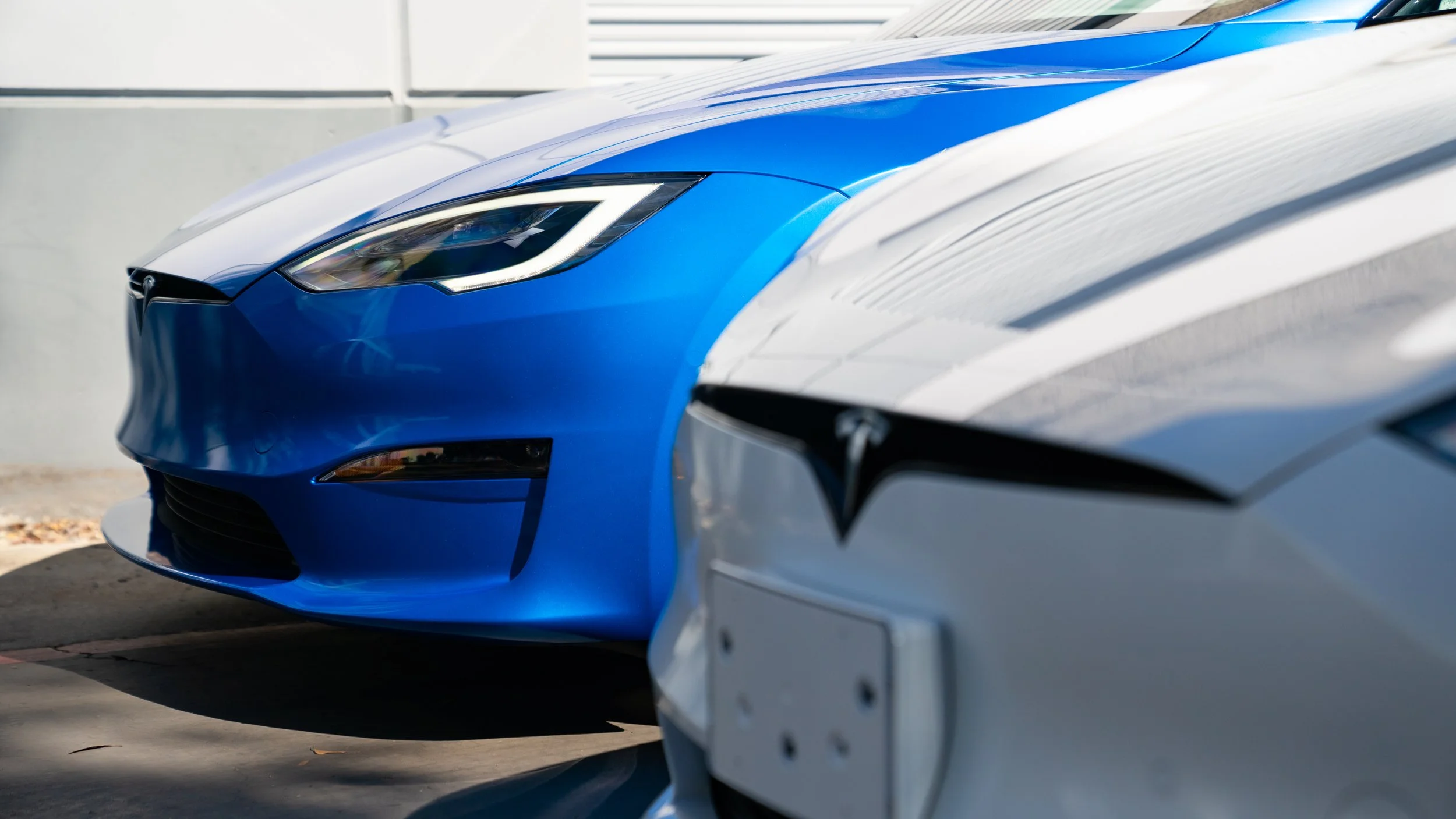
Xpel paint protection film on one Model S and full color change on another.
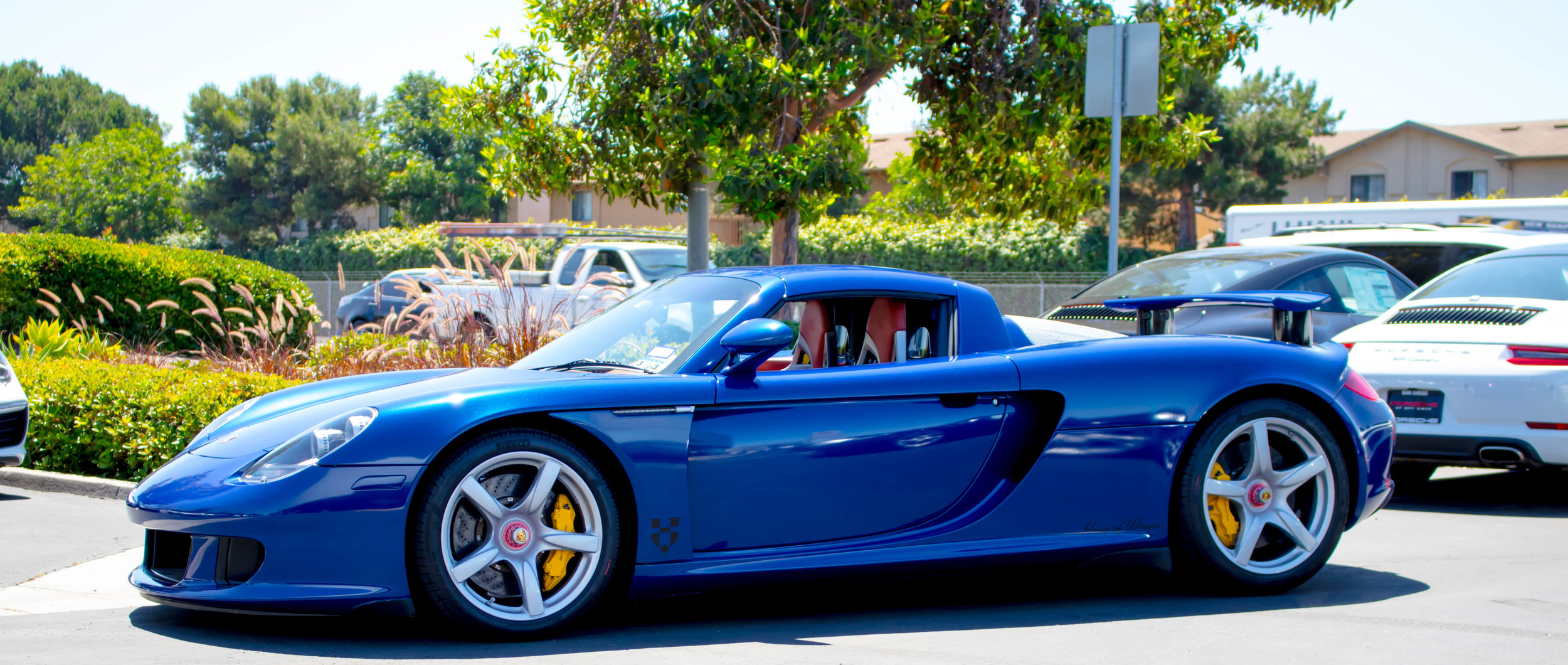
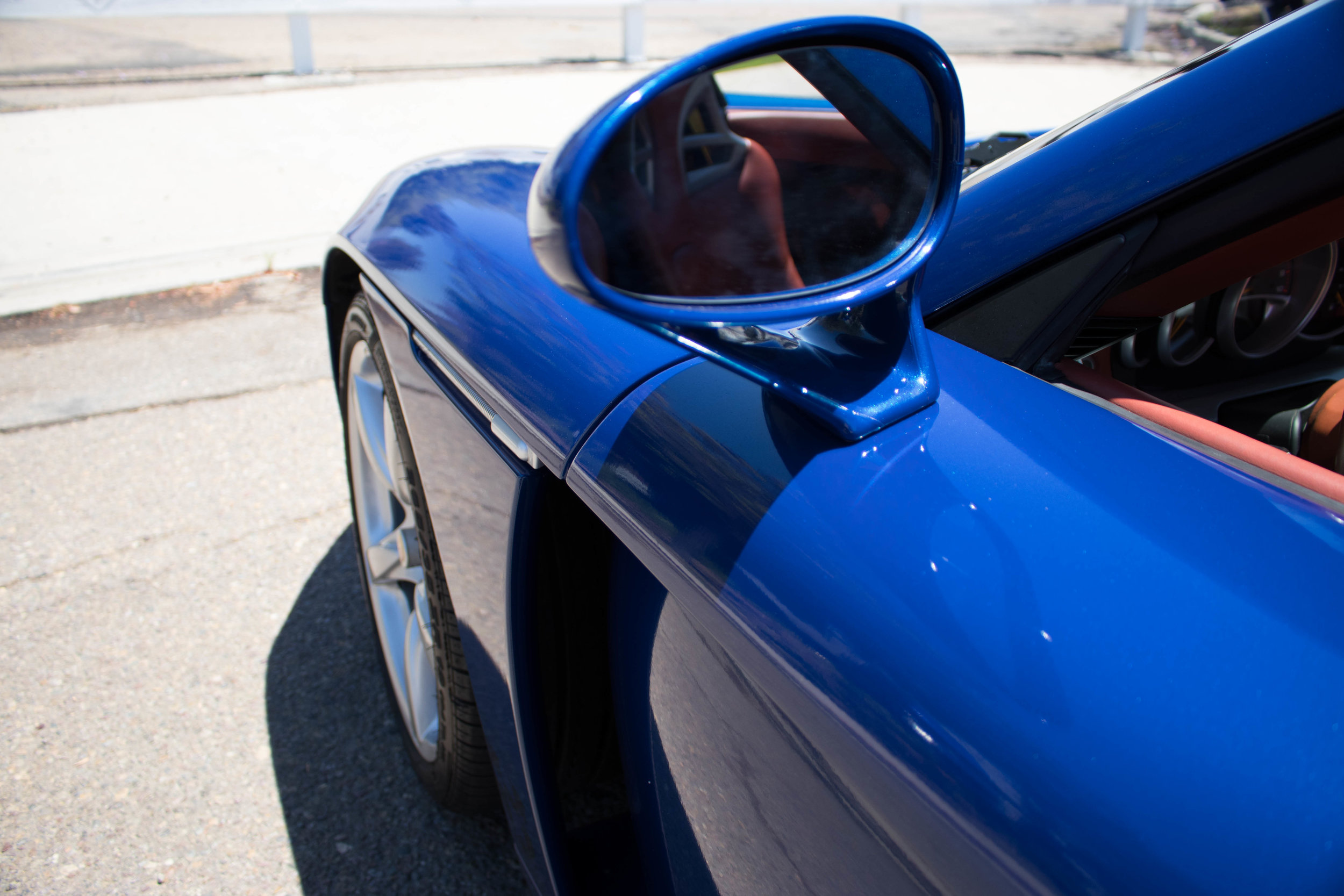
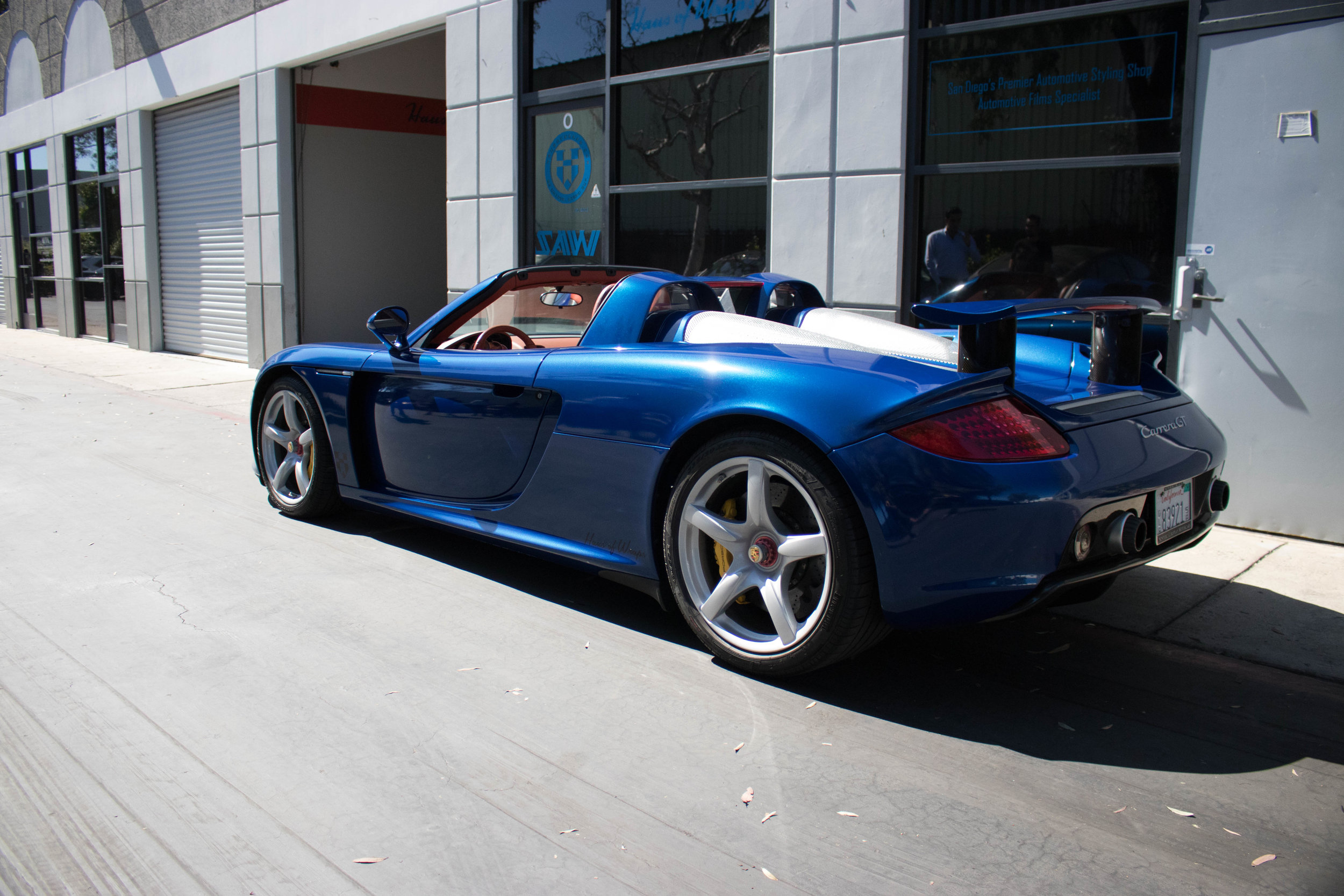
Read MoreCarrera GT Deep Blue Metallic Vinyl Wrap
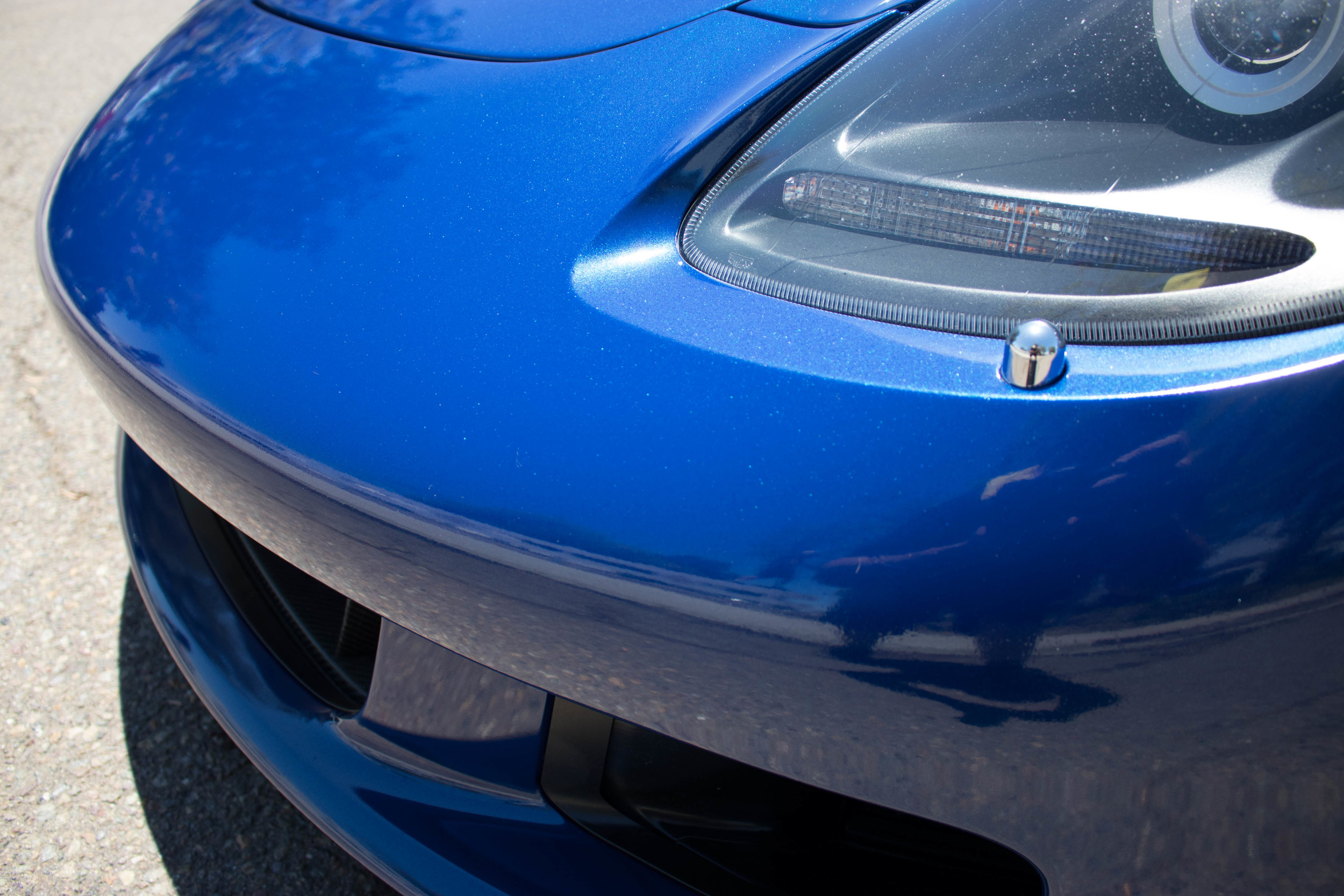
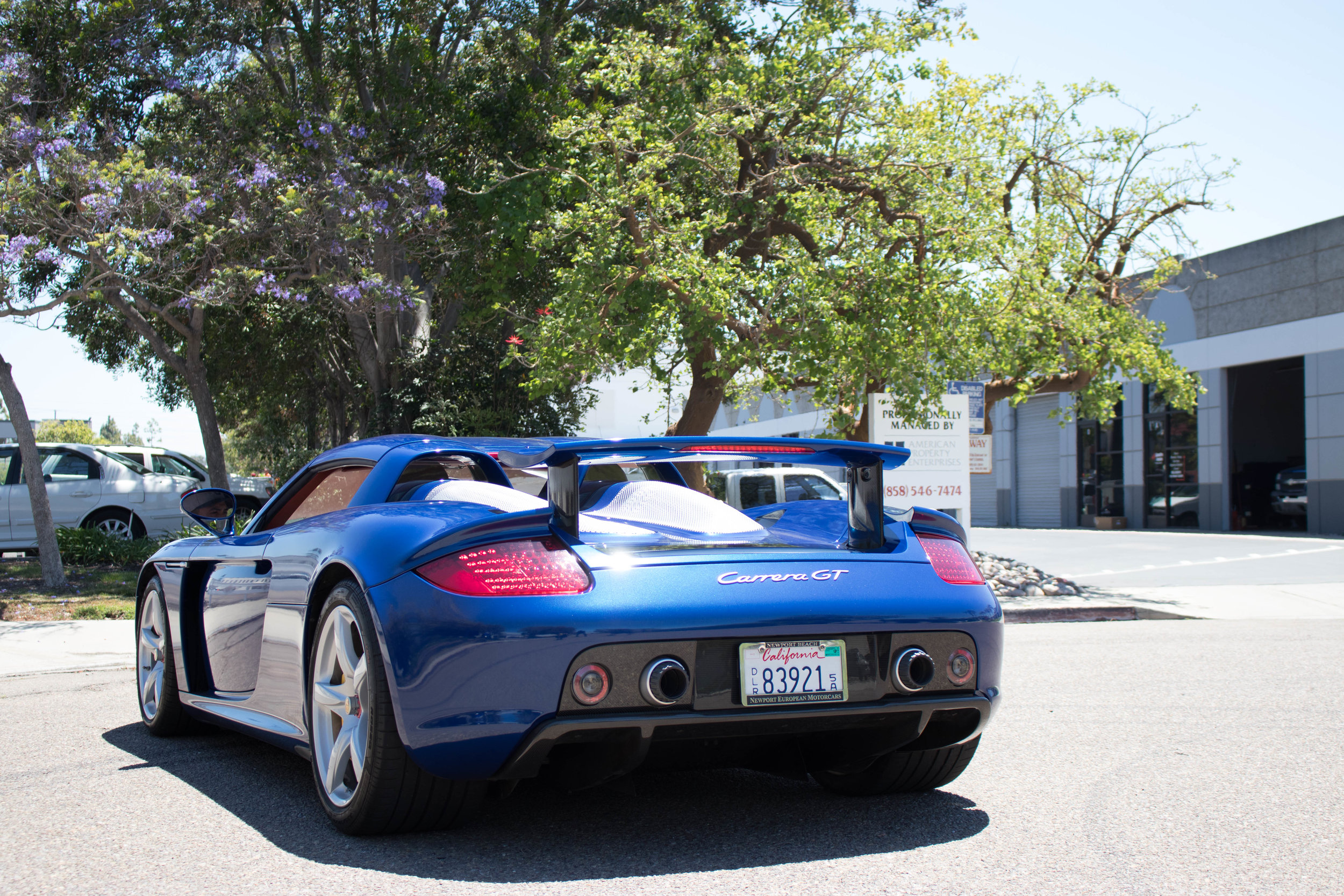
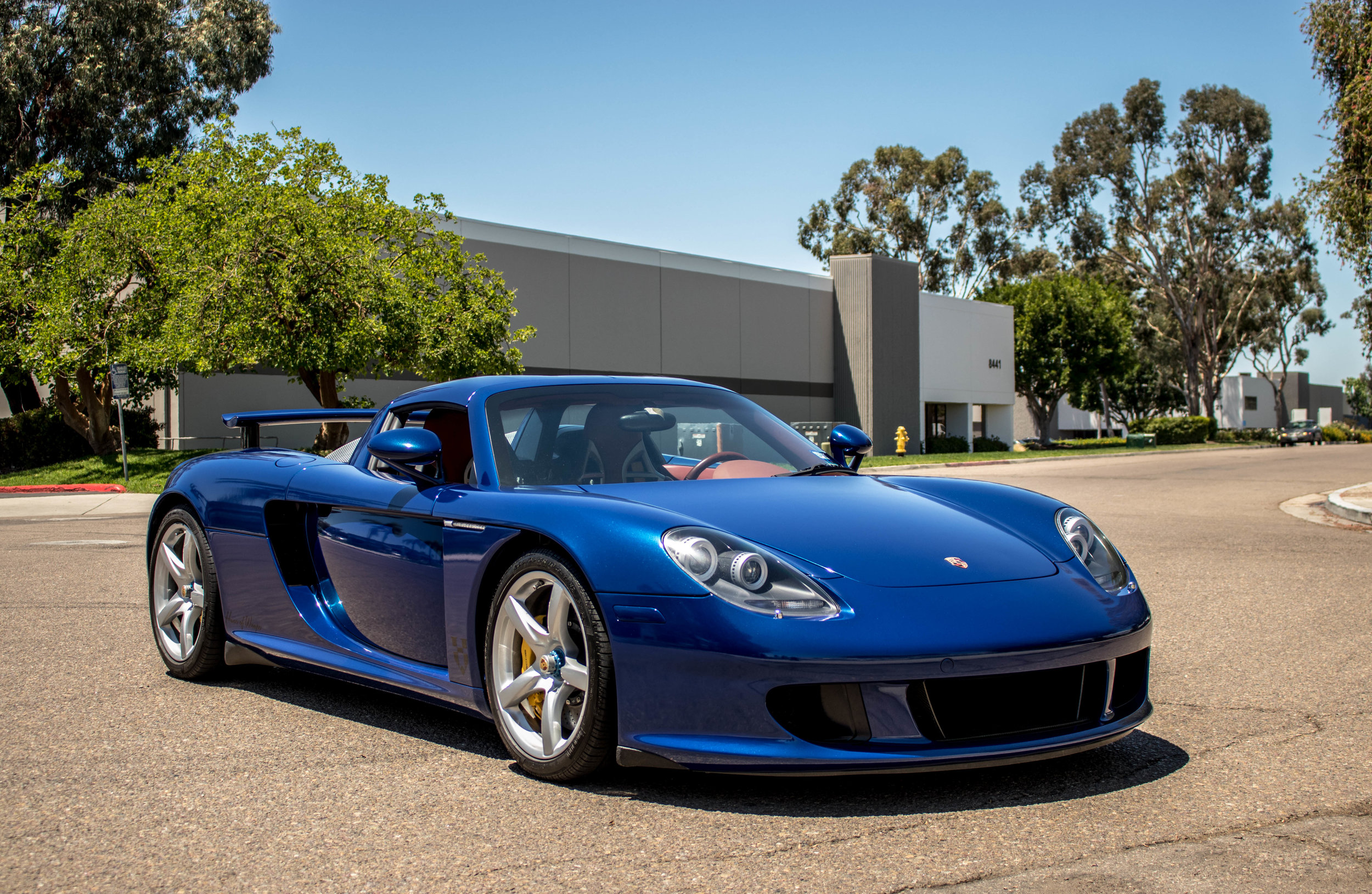
Has to be our top 3 favorite wraps we've ever done. Carrera GT in Deep Blue Metallic by 3M. Enjoy!
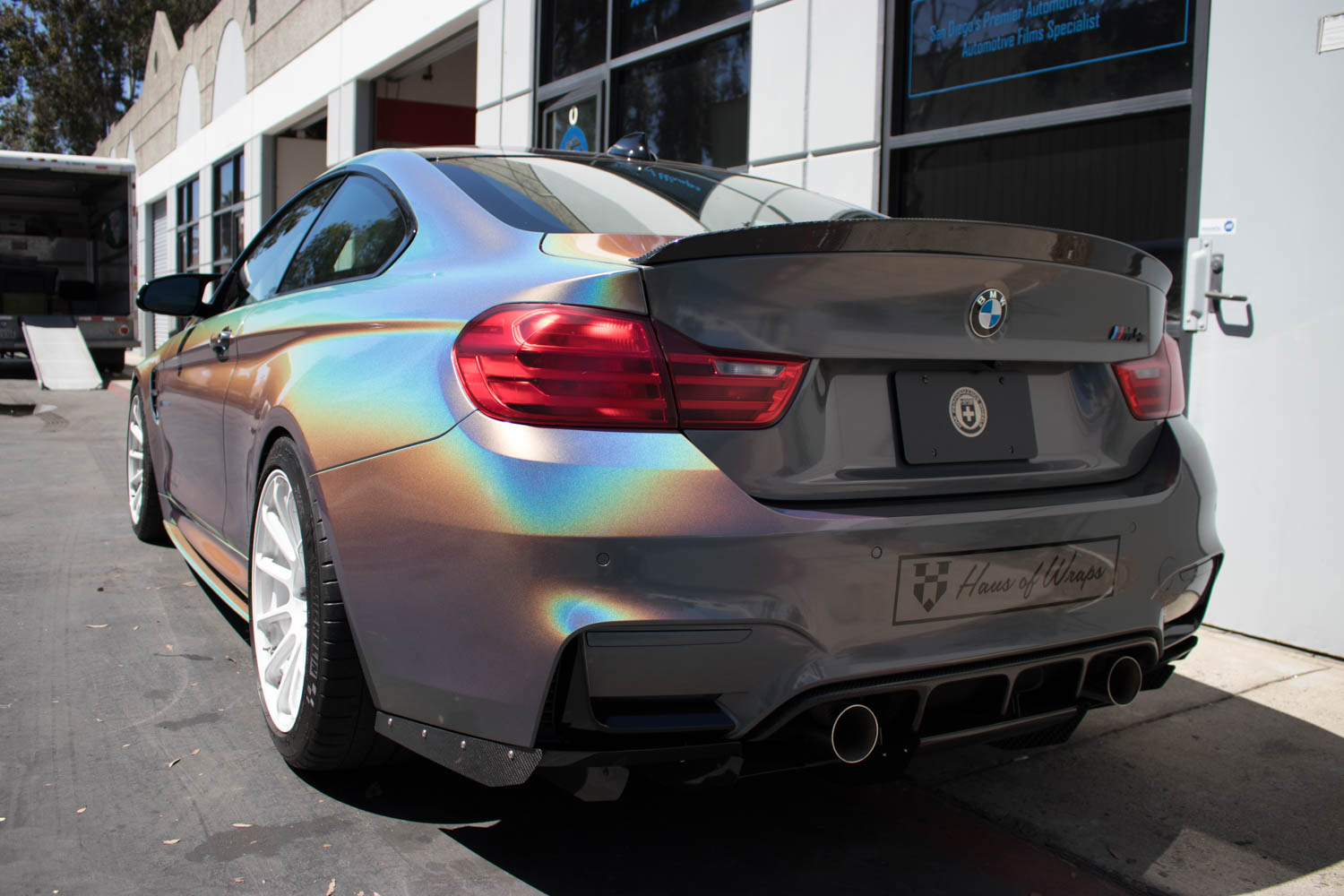
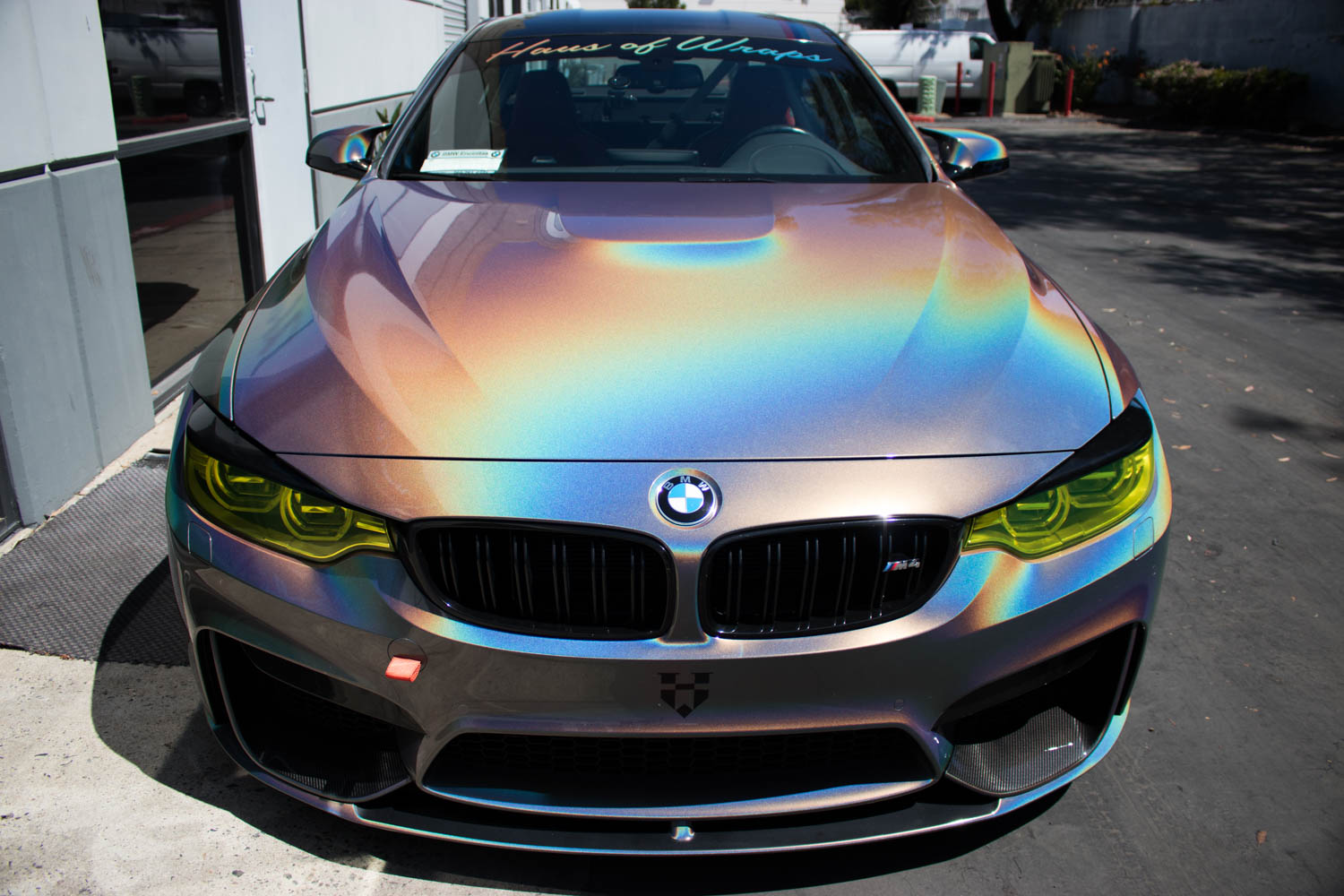
Pyscho M4
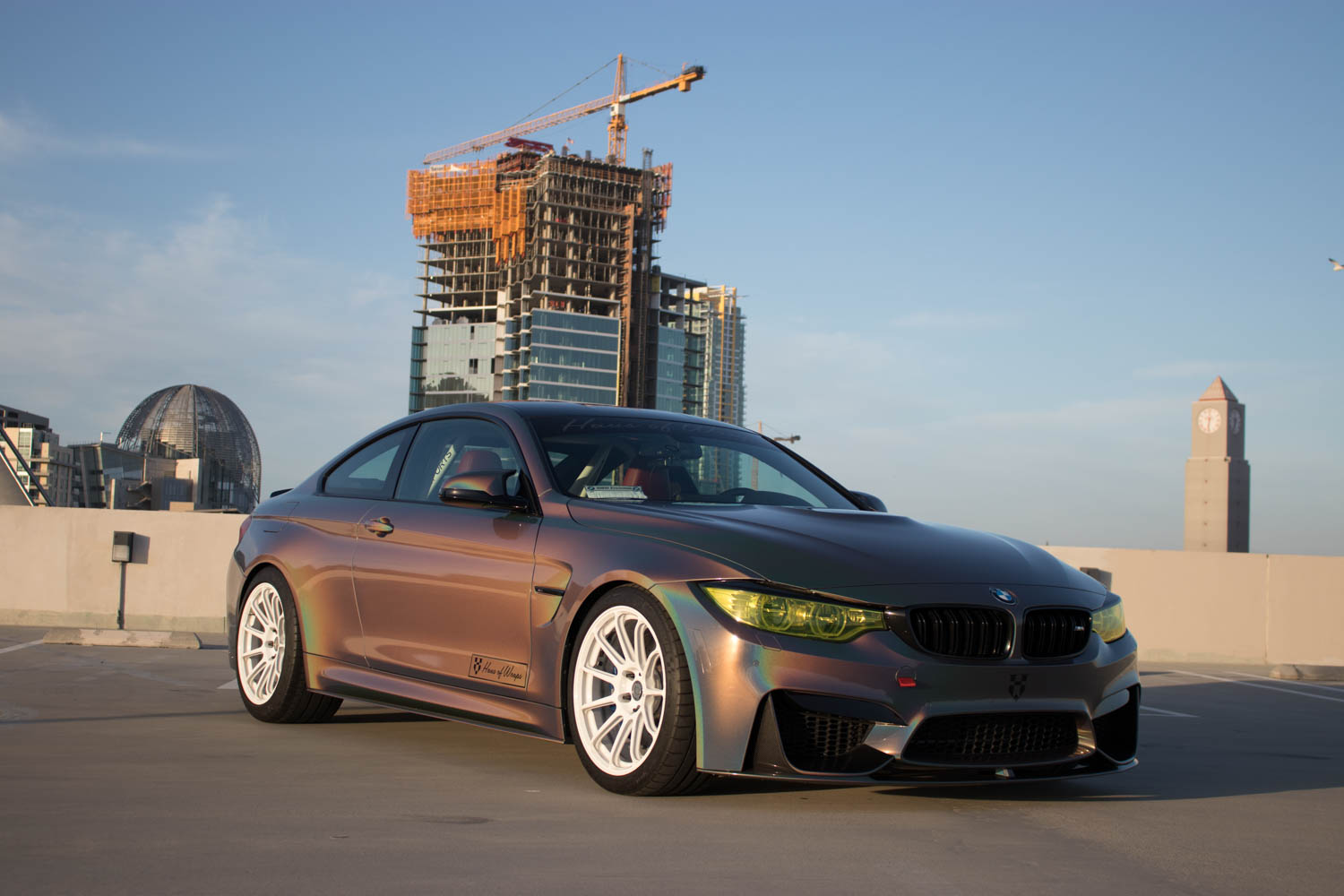
3M Psychedelic on this M4
Wrapping Vs. Painting
"Why would you wrap over painting a car?" Good question! There are plenty of reasons to wrap a vehicle of painting. Check out why.
Read MoreCost of Wrapping Your Car
"How much for a wrap?" always following after people learn about car wraps. We'll break it all down here.
Read More
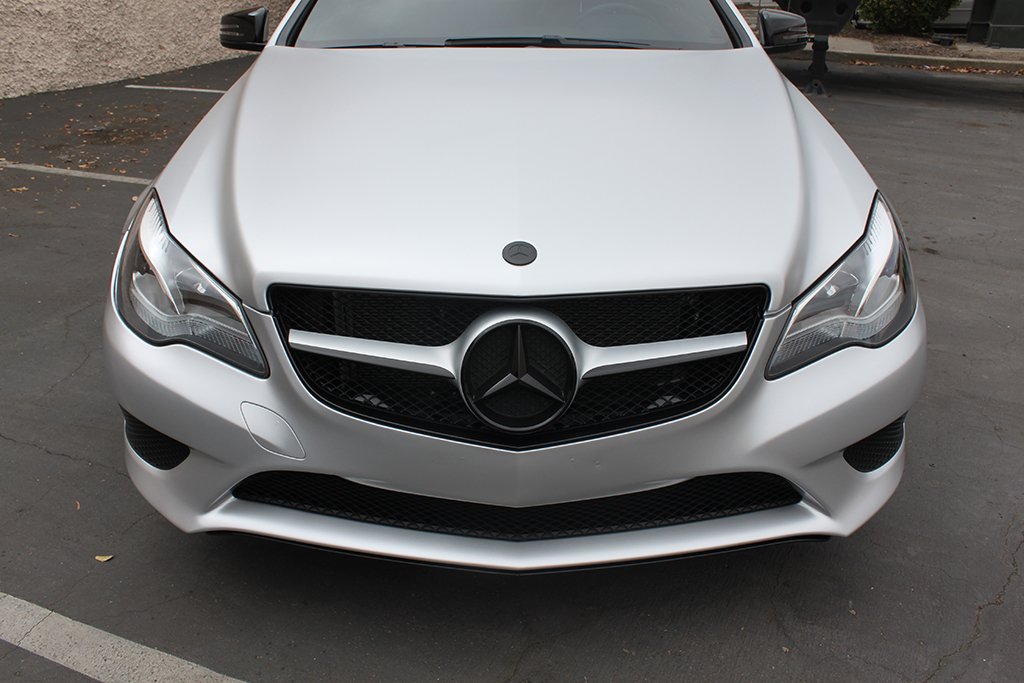
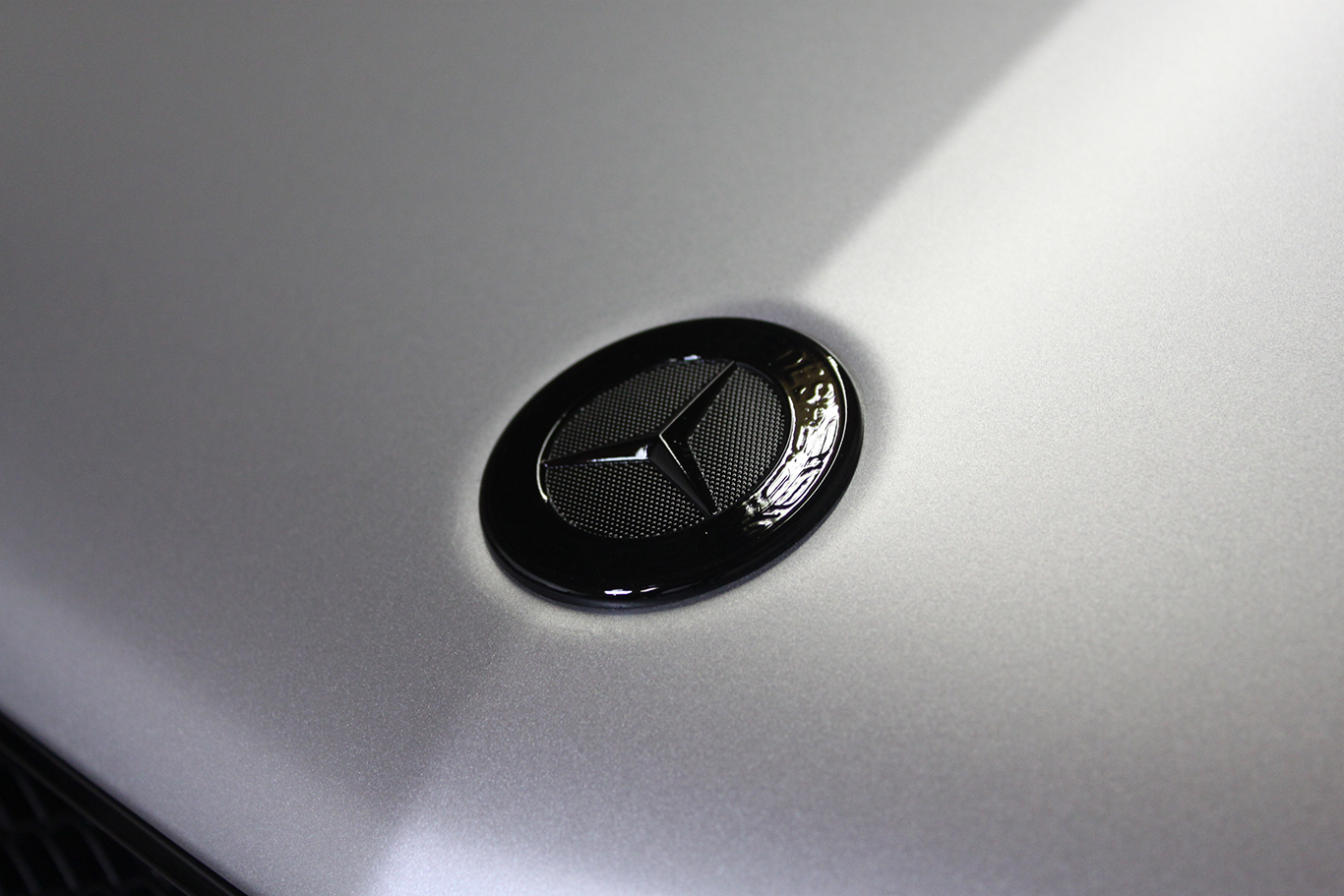
E Class Coupe In Satin White Aluminum
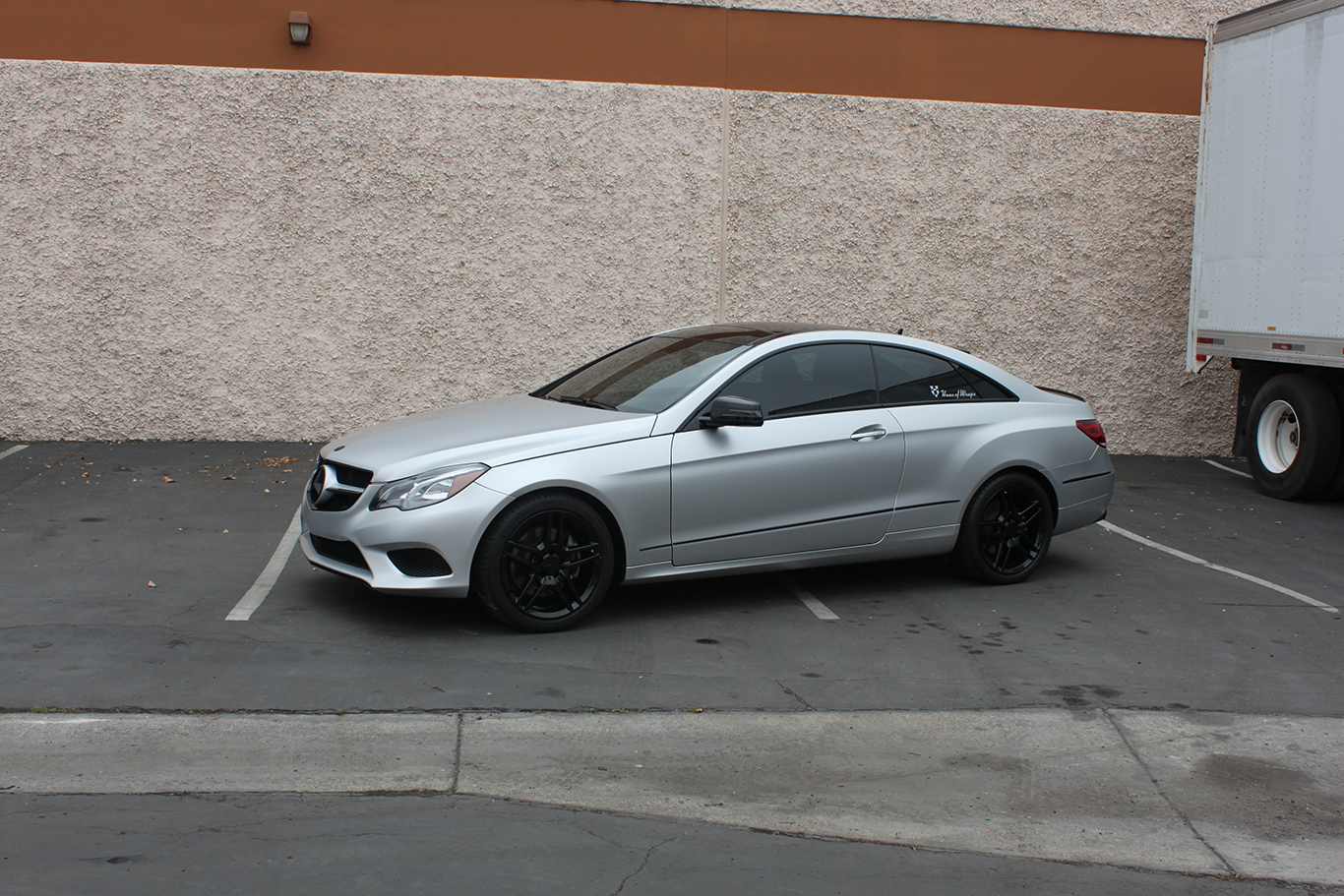
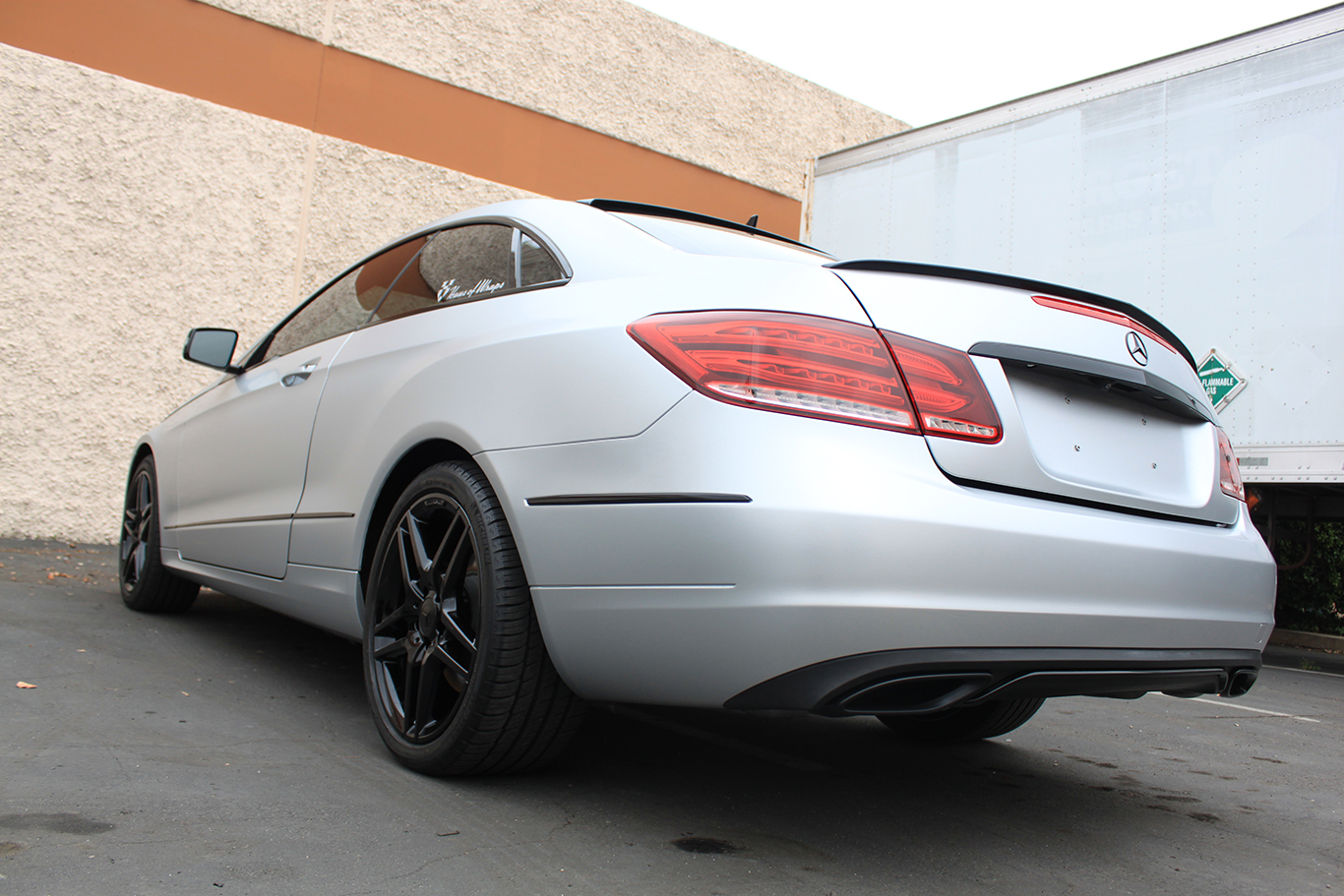
Full Satin White Aluminum Wrapped E-Class with gloss black trim and gloss black wheels brought to you by Haus of Wraps!
Read MoreAston Martin Vantage GT
Accent and Trim stylized by Haus of Wraps!
Read More