
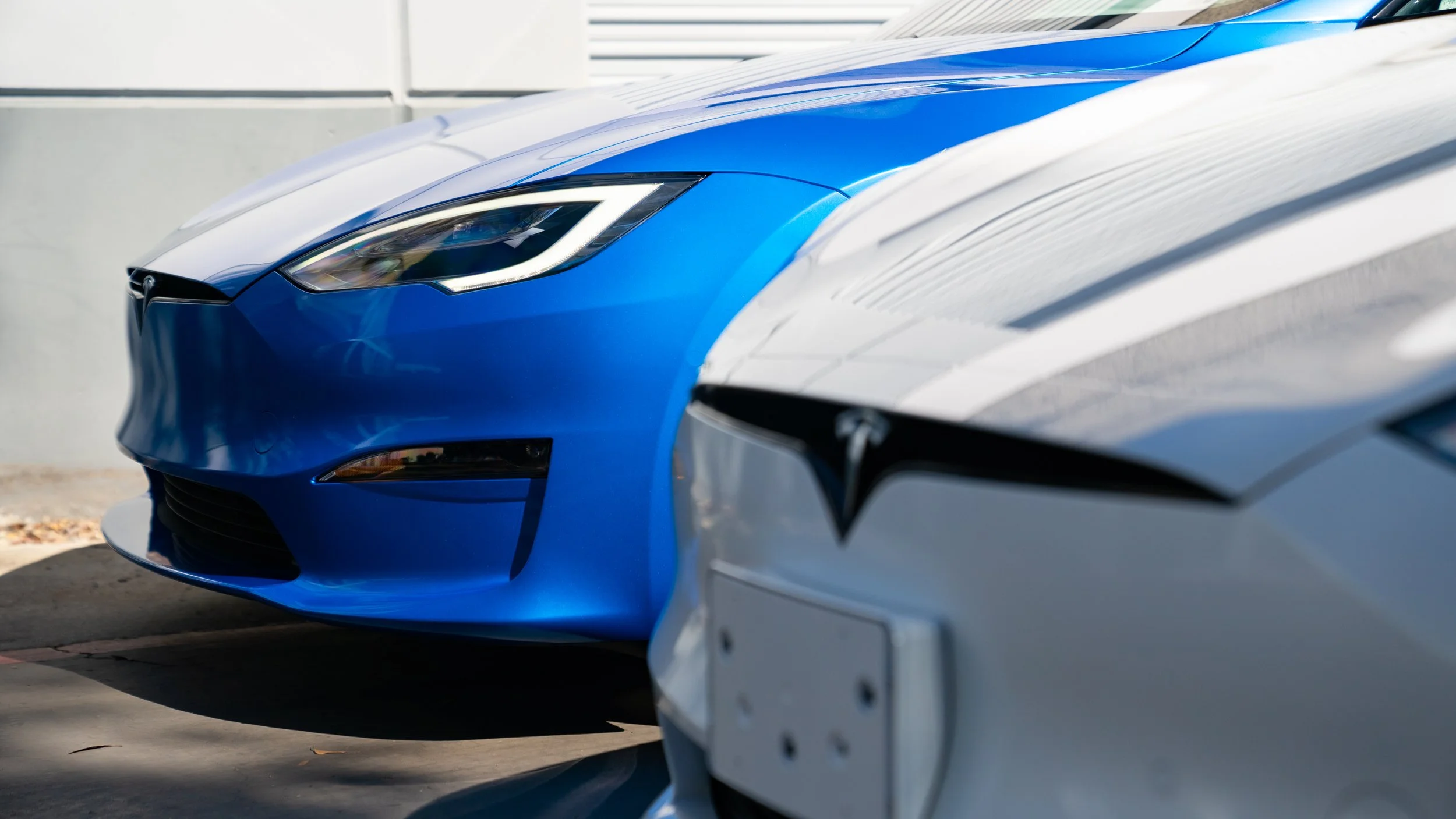
PPF vs. Ceramic Coating: Which One Does Your Car Actually Need?
The short answer: paint protection film (PPF) physically protects your paint from rock chips and scratches, while ceramic coating makes it easier to clean and adds gloss and UV resistance — but does not stop chips. They solve different problems, and for many San Diego drivers the ideal setup is PPF on high-impact areas with ceramic coating over everything.
Here's how to figure out what your car actually needs (and what you can skip).
What PPF Does
Paint protection film is a thick, transparent urethane film — think of it as invisible armor. Quality PPF:
Absorbs rock chips and road debris impacts that would chip paint
Self-heals light scratches and swirl marks with heat from the sun
Blocks UV and resists chemical etching from bird droppings and bugs
Lasts 8–10 years when professionally installed
The tradeoff is cost. PPF is the most expensive form of paint protection because the material is thick, expensive, and demanding to install.
Typical San Diego PPF pricing:
Partial front (bumper, partial hood/fenders): $900–$1,500
Full front end: $1,800–$2,800
Full body: $5,500–$8,500+
What Ceramic Coating Does
A ceramic coating is a liquid polymer that chemically bonds to your paint (or to PPF/vinyl), creating a hard, hydrophobic layer. Ceramic coating:
Makes washing dramatically easier — dirt and water sheet off
Adds deep gloss and enhances color
Protects against UV fading and chemical etching
Lasts 2–5+ years depending on the product and prep
What it does not do: stop rock chips or scratches. A coating is measured in microns; a rock at freeway speed doesn't care. Any shop telling you ceramic coating prevents chips is overselling.
Typical ceramic coating pricing: $800–$2,000 depending on paint correction needed and coating tier.
PPF vs. Ceramic Coating: Quick Comparison
PPFCeramic CoatingRock chip protectionYesNoSelf-healingYesNoEase of washingGoodExcellentGloss enhancementNeutral–goodExcellentUV protectionYesYesLifespan8–10 years2–5 yearsCost$$$$$
What We Recommend for San Diego Drivers
Daily freeway commuter (I-5, I-15, 805): Full-front PPF at minimum. San Diego freeways throw plenty of debris, and the front end takes nearly all of it.
New car you plan to keep: Full-front PPF + ceramic coating over the whole car. This is the most popular combination for good reason.
Garaged weekend car: Ceramic coating alone may be enough if it sees limited miles.
Tesla and EV owners: Full-front PPF is highly recommended — soft factory paint on many EVs chips easily, and repainting bumpers is costly.
Maximum protection: Full-body PPF with ceramic on top. The car becomes nearly maintenance-proof.
Can You Combine PPF and Ceramic Coating?
Yes — and it's the best of both worlds. Ceramic coating applied over PPF adds hydrophobics and gloss to the film and makes the whole car wash like glass. Coating can also be applied over color-change vinyl wraps.
Frequently Asked Questions
Which should I get first if I can only afford one?
If you drive freeways regularly: PPF on the front end. If your priority is looks and easy maintenance: ceramic coating.
Does PPF yellow over time?
Older films did. Modern premium PPF carries 10-year warranties against yellowing, cracking, and delamination.
Can you see PPF on the car?
Quality film professionally installed is nearly invisible. Edges are wrapped or aligned to panel lines.
Is dealership ceramic coating worth it?
Dealer-applied "protection packages" are usually low-grade sealants at premium prices. A dedicated shop using professional-grade coatings delivers far better results for similar or less money.
Not sure what your car needs? Haus of Wraps offers free protection consultations in San Diego — we'll look at how you drive and store your car and recommend only what makes sense.